
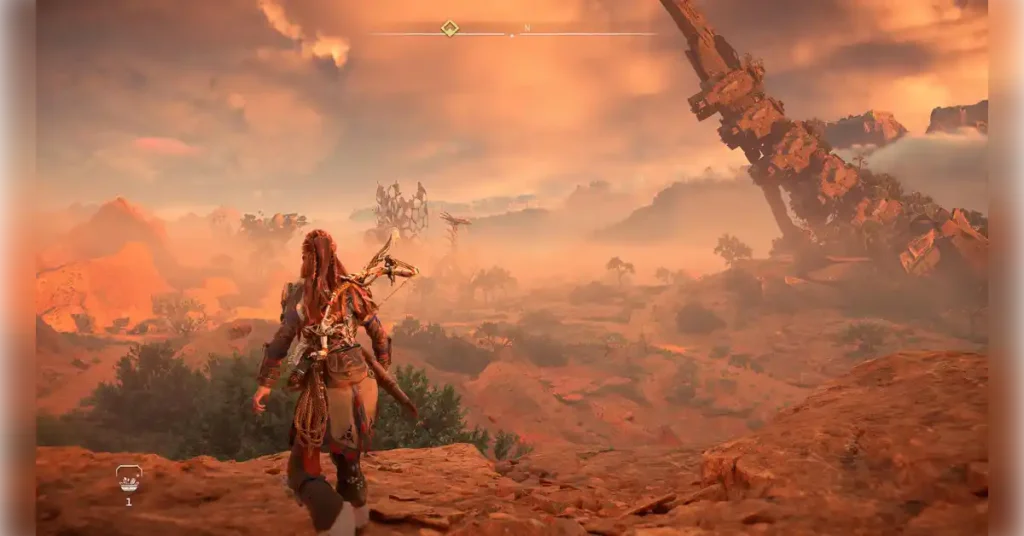
Survival games often rely on familiar formulas—forests, frozen wastelands, or post-apocalyptic cities. DuneCrawl takes a different approach. It places survival where the margin for error is thin, resources are scarce, and the environment itself is the primary adversary: the desert.
At its core, DuneCrawl is not about fast victories or constant combat. It is about endurance, decision-making, and adaptation in an unforgiving landscape shaped by heat, sand, and isolation. Every step forward carries risk, and every choice has consequences.
This article breaks down what makes DuneCrawl compelling, how its mechanics work, and why desert-based survival offers a uniquely immersive experience.
Table of Contents
What Is DuneCrawl?
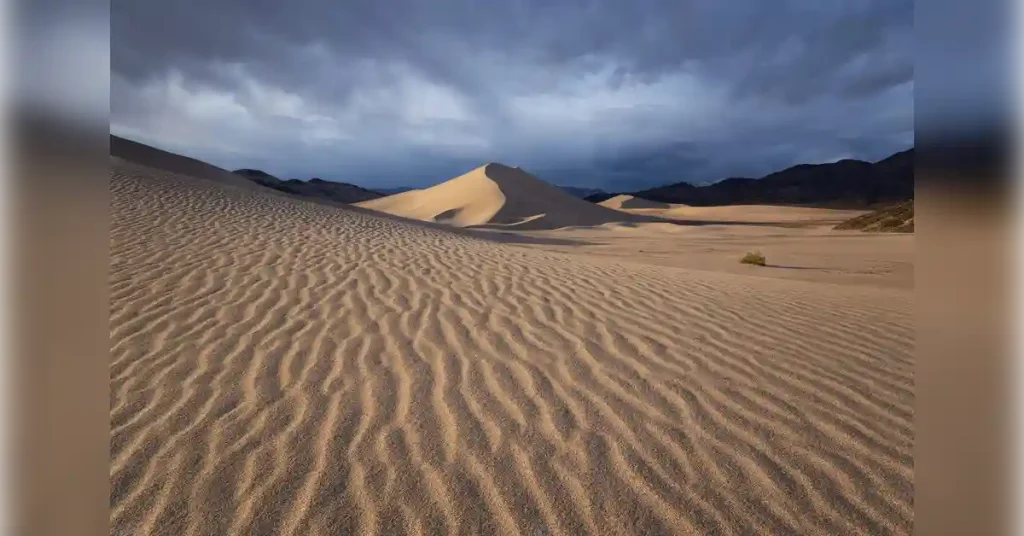
DuneCrawl is a desert-focused survival and exploration experience built around long-term planning rather than short-term rewards. Instead of overwhelming players with constant action, it emphasizes navigation, resource management, and environmental awareness.
The desert is not just a backdrop—it is an active system that affects stamina, visibility, mobility, and survival outcomes. Sandstorms, extreme temperatures, and limited access to water create a persistent sense of pressure that shapes every decision.
Unlike traditional survival games, progress in DuneCrawl feels earned through patience and smart preparation rather than brute force.
Core Gameplay Philosophy
1. Survival Through Strategy, Not Speed
In DuneCrawl, rushing is punished. Players must plan routes, monitor supplies, and adapt to changing desert conditions. Survival depends on knowing when to move, when to wait, and when to retreat.
Mistakes do not always result in instant failure, but they compound over time—mirroring how survival works in real hostile environments.
2. The Desert as a Living System
Heat levels fluctuate throughout the day. Sand dunes shift. Visibility drops during storms. Water sources dry up or become inaccessible.
These elements are not scripted events; they are part of an interconnected system that keeps gameplay unpredictable without feeling unfair.
3. Exploration With Consequences
Exploration in DuneCrawl is rewarding but risky. Discovering ruins, hidden paths, or rare resources often requires venturing far from safety. The farther you go, the more carefully you must manage supplies and energy.
There are no guaranteed rewards—only calculated risks.
Key Gameplay Mechanics
Resource Management
Water, food, and energy are limited. Unlike many survival games, these resources are not easily replenished. Players must balance consumption with exploration goals and environmental conditions.
Running out of water is not dramatic—it is slow, stressful, and entirely avoidable with good planning.
Navigation and Orientation
Without constant map markers or hand-holding UI, players rely on landmarks, sun position, and terrain patterns. Navigation becomes a skill rather than a convenience.
This design choice deepens immersion and makes each successful journey feel meaningful.
Environmental Hazards
- Extreme heat during midday
- Sandstorms that reduce visibility
- Terrain that drains stamina faster
- Nighttime temperature drops
These hazards do not exist to frustrate players, but to encourage thoughtful movement and timing.
Why Desert Survival Feels Different
The desert is psychologically unique. It is open, quiet, and vast—yet deeply hostile. DuneCrawl uses this contrast to its advantage.
- There are fewer distractions
- Fewer safe zones
- More long-term consequences
This creates a survival experience that feels calmer, heavier, and more realistic than action-driven alternatives.
Players are not reacting to constant threats—they are anticipating them.
Visual and Atmospheric Design
DuneCrawl’s visual identity leans toward realism rather than spectacle. Muted color palettes, shifting light, and wide open horizons reinforce a sense of isolation.
Sound design plays a subtle but critical role:
- Wind replaces music during exploration
- Footsteps change based on sand density
- Storms can be heard long before they arrive
Together, these elements create a cohesive atmosphere where immersion comes naturally.
Who Is DuneCrawl For?
DuneCrawl appeals most to players who enjoy:
- Slow-burn survival experiences
- Strategic decision-making
- Exploration without hand-holding
- Environmental storytelling
- High immersion, low noise gameplay
It may not suit players looking for constant combat or fast progression. The reward here is mastery, not speed.
Long-Term Replay Value
Replayability in DuneCrawl comes from systems, not randomness. Different routes, weather patterns, and resource availability ensure that no two runs feel identical.
As players improve, they naturally take bolder risks—pushing deeper into the desert, optimizing routes, and experimenting with survival strategies.
Final Thoughts
DuneCrawl stands out by doing less, not more. By stripping away unnecessary mechanics and focusing on environmental survival, it delivers an experience that feels grounded, tense, and rewarding.
It respects the player’s intelligence, rewards patience, and turns the desert into something rare in modern games: a space that feels genuinely dangerous without being artificially difficult.
For anyone interested in survival through strategy and exploration, DuneCrawl offers a compelling and memorable journey.