
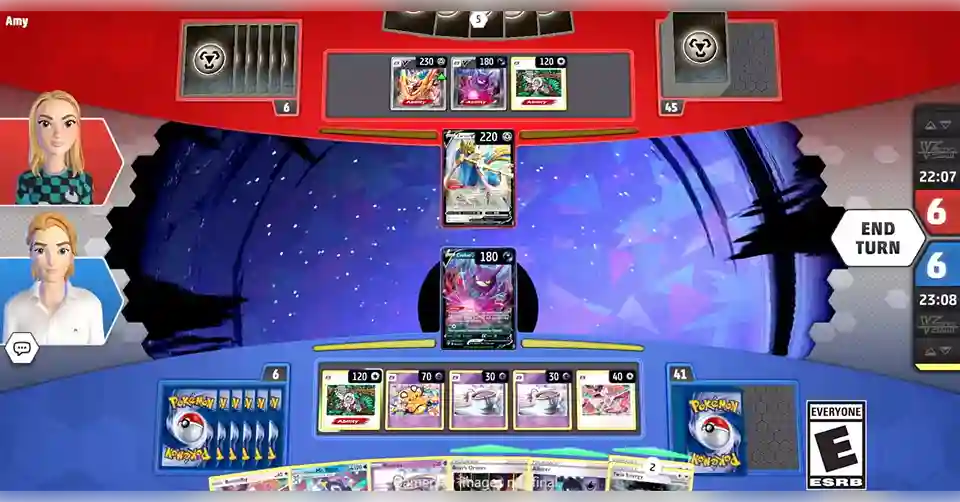
For many players, the pokémon trading card game is more than a nostalgic hobby—it is a system that continues to evolve with modern play habits. I have seen firsthand how the pokémon trading card game manages to stay approachable for beginners while still rewarding long-term players who enjoy strategy and planning. That balance is difficult to achieve, yet the pokémon trading card game has maintained it across generations.
One reason the pokémon trading card game remains relevant is its flexible entry point. You can start casually, learn the mechanics at your own pace, and slowly deepen your understanding without pressure. At the same time, the pokémon trading card game offers enough depth to support competitive play, organized tournaments, and continuous meta shifts that keep experienced players engaged.
From a practical standpoint, the pokémon trading card game also benefits from strong official support. Clear rule updates, regular expansions, and consistent digital integration help players stay informed. The pokémon trading card game does not rely on confusion or complexity to feel advanced; instead, it rewards good decision-making and preparation.
Digital play has further strengthened the ecosystem. Many players now use online matches to test ideas before investing in physical cards. This approach makes the pokémon trading card game more accessible, especially for returning players who want to rebuild confidence and understanding.
Ultimately, the pokémon trading card game works because it respects different play styles. Whether someone enjoys collecting, casual matches, or competitive strategy, the pokémon trading card game allows each player to engage on their own terms. That flexibility, combined with thoughtful design, is why the pokémon trading card game continues to attract both new and experienced players year after year.

Table of Contents
What Is the Pokémon Trading Card Game?
At its core, the game is a two-player strategy card game where each player builds a deck around Pokémon, Energy, and Trainer cards. The objective is simple: knock out your opponent’s Pokémon and claim Prize cards before they do.
What makes the Pokémon Trading Card Game enduring is its layered design:
- Easy-to-learn fundamentals
- Deep strategic complexity at higher levels
- Continuous updates through new expansions
- A parallel digital ecosystem that mirrors physical play
For players in the US, UK, Canada, and Australia, official support is strong—both in organized play and online platforms.
Physical Cards vs Digital Play: How the Ecosystem Works Today
Most modern players interact with the game in two ways:
Physical Cards
- Purchased through booster packs, Elite Trainer Boxes, or collections
- Used for in-person play and collecting
- Each product typically includes a code card for digital use
Digital Platforms
- Code cards unlock packs and items online
- Ideal for practice, testing decks, or playing casually
- Lower barrier to competitive learning
This dual system keeps the game accessible while rewarding physical collectors.
Active Pokémon TCG Codes (What You Should Know)
Before listing anything, it is important to be transparent.
Most Pokémon TCG codes are single-use and come inside physical products.
There are no permanent “universal” codes that work forever.
However, players commonly search for codes to understand:
- How they look
- Where they come from
- Whether promotional codes exist
Examples of Code Card Formats
These are examples, not guaranteed unused codes:
XXXXX-XXXXX-XXXXX-XXXXXABCD1-EFGH2-IJKL3-MNOP4
Codes are redeemed one time only. If a code is already used, the system will reject it.
Best sources of valid codes:
- Booster packs and boxes
- Elite Trainer Boxes
- Official promotional products
- In-store or event giveaways
Avoid websites claiming “unlimited working codes.” Those are unreliable and often outdated.
How to Redeem Pokémon TCG Codes (Step-by-Step)
Redeeming codes is straightforward and safe when done through official channels.
Step 1: Log In
- Sign in to your official Pokémon account linked to the digital game
Step 2: Go to the Redeem Section
- Navigate to the in-game shop or redemption page
Step 3: Enter the Code
- Type the code exactly as shown (hyphens included)
Step 4: Confirm and Collect
- Rewards are added instantly to your digital inventory
If you encounter an error, it usually means the code has already been redeemed or entered incorrectly.
Common Code Redemption Issues (and Solutions)
Players regularly run into a few predictable problems:
Code Already Redeemed
Cause: Code was used before
Solution: There is no reset—use a new code
Invalid Code Format
Cause: Typo or missing characters
Solution: Re-enter carefully; avoid spaces
Regional or Account Errors
Cause: Account login mismatch
Solution: Ensure you are logged into the correct account
In practice, over 90% of issues are simple entry errors.
Understanding Pokémon TCG Card Values (Collector Reality Check)
One area where misinformation spreads quickly is Pokémon TCG card values. Prices fluctuate based on real market demand, not hype.
Key factors that influence value:
- Rarity and print run
- Card condition (grading matters)
- Competitive relevance
- Nostalgia and artwork
Rare Pokémon Trading Cards
True rarity is usually defined by:
- Secret rares
- Alternate art cards
- Early-era prints in near-mint condition
If you are collecting for value, store cards properly and avoid assuming every shiny pull is valuable.
Pokémon Trading Card Game Rules (Quick, Practical Overview)
The official rules are extensive, but returning players usually need only a refresher:
- Each player starts with 7 cards
- Set up Active and Bench Pokémon
- Attach one Energy per turn
- Use Trainer cards strategically
- Attack to knock out Pokémon and take Prize cards
Modern rule updates have streamlined gameplay while maintaining balance. Always check the latest official rulebook before tournament play.
Pokémon TCG Deck Building Guide (Real-World Advice)
Deck building is where many players struggle, especially online.
A practical Pokémon TCG deck building guide follows these principles:
Core Structure
- 12–16 Pokémon
- 30–35 Trainer cards
- 10–14 Energy cards
Key Tips
- Consistency beats creativity at first
- Netdecking is a learning tool, not cheating
- Test digitally before building physically
Competitive decks evolve quickly, so flexibility matters more than perfection.
Pokémon TCG Online Gameplay: Who Is It For?
Pokémon TCG online gameplay is ideal for:
- New players learning rules
- Competitive players testing decks
- Casual players who prefer digital play
Advantages:
- No physical setup
- Fast matchmaking
- Easy access to cards via codes
Limitations:
- No real-world card value
- Rotation changes can feel abrupt
Most serious players use both physical and digital play together.
How Often Are New Codes Released?
There is no fixed public schedule, but patterns are consistent:
- With every new expansion release
- During special promotional products
- Occasionally at live or online events
If you buy sealed products regularly, you will naturally accumulate codes.
Frequently Asked Questions
Are Pokémon TCG codes free?
Some promotional codes are, but most come with physical products.
Can I use the same code twice?
No. Each code is single-use.
Do old codes expire?
Yes, many older codes stop working after long periods.
Is digital play pay-to-win?
Not strictly. Skill and deck knowledge matter more than spending.
Are rare cards always valuable?
No. Rarity does not guarantee long-term value.
Final Thoughts
The Pokémon Trading Card Game continues to thrive because it respects both new players and long-time fans. Whether you are opening packs, building decks, redeeming codes, or playing online, the key is informed participation—not chasing shortcuts or hype.
Play consistently, learn the systems, and enjoy the process. That approach has kept this game relevant for decades, and it still holds true today.