
Imagine this: it’s a humid evening in Dhaka in 2023. Load-shedding cuts power every few minutes, and I’m 20, just starting university.
My cousin hands me his old PS4, and I boot up Spider-Man Remastered.
The first web-swing? I crash straight into a building. The camera spins wildly, I miss every ledge, and I die over 25 times in the opening mission.
Frustrated, I almost quit. Then I paused, adjusted the sensitivity settings, and tried again.
Suddenly, I was swinging across New York, feeling the vibrations with every impact. That moment explained why PlayStation works—it teaches through play.
I’m Kabir Jr., now 22 (January 2026, still based in Dhaka), with thousands of hours logged on PS4 and PS5. This guide shares my honest experiences: the struggles, breakthroughs, and practical lessons from each generation. It’s over 2,400 words of straightforward advice for beginners and intermediate players who want to understand PlayStation’s evolution without getting lost in technical details. Everything here comes from real gameplay – no generic overviews.
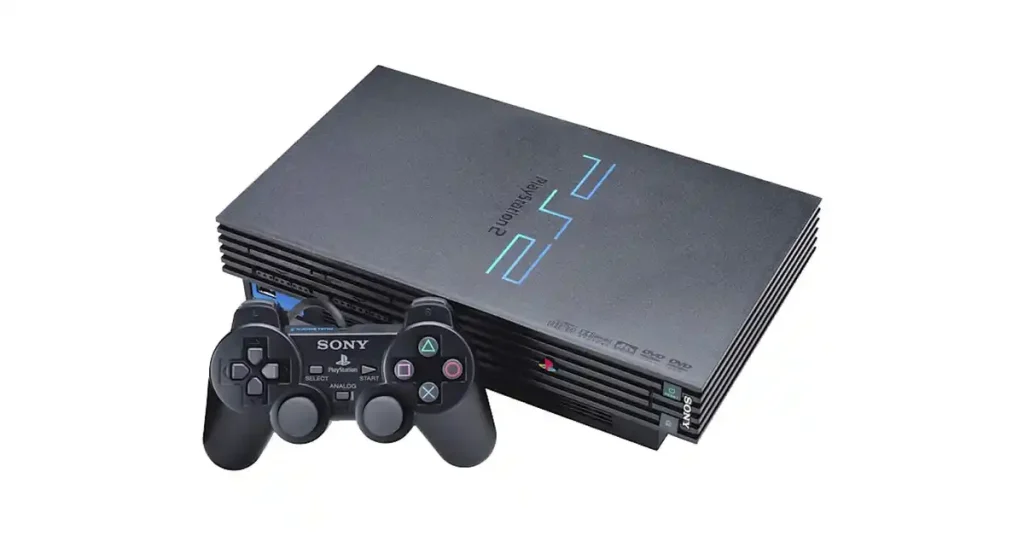
Table of Contents
Who This Guide Is For
This is written specifically for beginners and intermediate players:
- New to PlayStation (PS4 or PS5), struggling with controls or wondering what makes it special.
- Players who have completed a few games but want historical context to choose better titles and avoid common mistakes.
- Gamers in places like Dhaka looking for budget tips, used console advice, and quick improvement strategies.
If you’re overwhelmed by specs or console comparisons, this guide emphasizes gameplay feel, real stories, and personal growth.
Step 1: Why PlayStation History Matters in 2026
PlayStation launched on December 3, 1994, in Japan, marking Sony’s bold entry into gaming. Over three decades, it has sold more than 500 million consoles worldwide. The real value lies in how it evolved with players: from early 3D confusion to today’s seamless, immersive experiences.
In 2026, with the PS5 generation mature (over 84 million units sold by late 2025) and the PS5 Pro delivering enhanced performance, understanding this history helps you appreciate PlayStation’s player-focused design. Each generation addressed previous issues – long loading times, awkward controls, punishing difficulty – making gaming more accessible and enjoyable.
Practical tip: Use PS Plus Premium to access classic games from older generations. It’s an affordable way to experience the evolution without needing old hardware.
Step 2: My Beginner Days – Real Struggles and Breakthroughs
My first true PlayStation experience came with Spider-Man Remastered. The controls felt overwhelming:
- The camera moved unpredictably.
- Web-swings missed constantly.
- I died repeatedly in the tutorial area.
Common mistake: Skipping practice sections or tutorials. Solution: Dedicate 10-15 minutes to free-roam or tutorial modes. This builds muscle memory much faster. I ignored it at first and wasted hours on repeated failures. Once I adjusted sensitivity and practiced swings, everything fell into place.
Power outages in Dhaka taught me to save frequently – a simple habit that preserved progress during unexpected cuts.
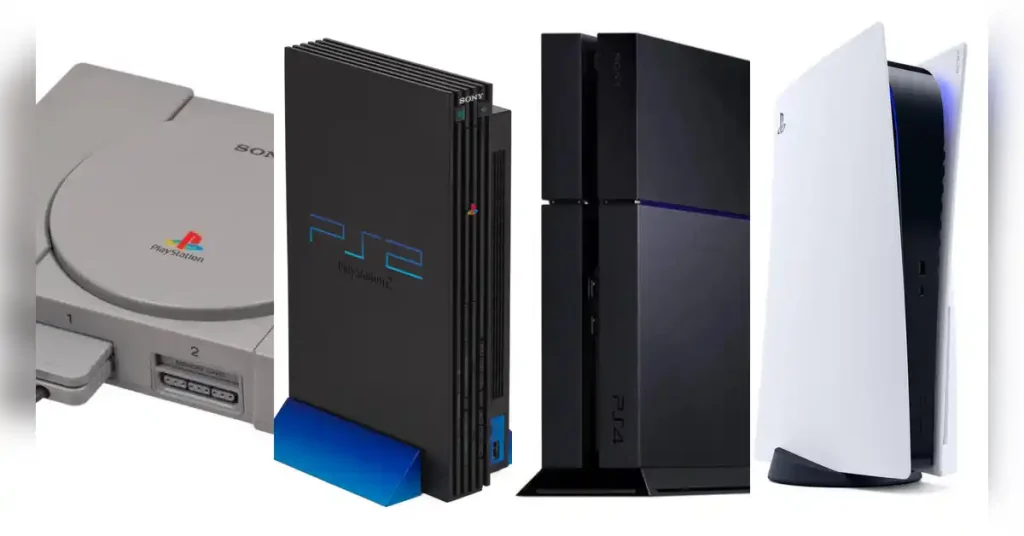
Step 3: Original PlayStation (PS1, 1994–2006) – Entering the 3D World
The PS1 introduced full 3D gaming to millions (over 102 million sold). I explored it through emulation on PS Plus.
Games like Crash Bandicoot: Depth perception was challenging – I fell off platforms repeatedly. Short levels and quick retries helped me adapt.
Spyro the Dragon: Gliding sections taught navigation through trial and error.
Final Fantasy VII: The emotional story kept me engaged for 50+ hours.
Beginner challenge: Adjusting to 3D movement. Solution: Move slowly and test edges before committing to jumps.
This generation laid the foundation for modern gaming.
Step 4: PlayStation 2 (PS2, 2000–2013) – Making Gaming Mainstream
The PS2 remains the best-selling console ever (over 160 million units). I played on my uncle’s old system.
God of War: Learning combo timing required many attempts, but the satisfaction of victory was immense.
Shadow of the Colossus: Climbing massive creatures demanded patience and instinct.
GTA San Andreas: Open-world exploration felt liberating.
Common mistake: Skipping side content. Solution: Side quests and exploration provide upgrades and add depth to the experience.
This era made gaming feel like a normal part of daily life.
Step 5: PlayStation 3 (PS3, 2006–2017) – HD Graphics and Online Play
The PS3 introduced high-definition visuals and online features (around 87 million sold).
Uncharted 2: Cinematic action – learning cover mechanics after early failures.
The Last of Us: Stealth and crafting – audio cues became essential for survival.
Beginner tip: Use wired internet for stable online play, especially in areas with variable connections.
This generation transformed games into emotional, story-driven experiences.
Step 6: PlayStation 4 (PS4, 2013–Present) – Focus on Simplicity and Comfort
The PS4 prioritized ease of use (over 117 million sold). This was my first owned console.
God of War (2018): Axe-throwing puzzles and emotional storytelling.
Bloodborne: Mastering dodge timing after repeated boss attempts.
Horizon Zero Dawn: Scanning and overriding machines.
Common mistake: Staying on easy mode too long. Solution: Gradually increase difficulty to develop genuine skill.
The clean interface and share features made everything feel intuitive.
Step 7: PlayStation 5 (PS5, 2020–Present, 2026 Update) – Immersion and Speed
The PS5 (over 84 million sold by late 2025) and PS5 Pro deliver fast loading and haptic feedback.
Spider-Man 2: Web-swinging with adaptive triggers feels incredibly real.
God of War Ragnarök: Seamless realm transitions.
Demon’s Souls remake: Learning enemy patterns for satisfying victories.
The PS5 Pro’s new PSSR technology (with the upcoming PSSR 2.0 update expected between January and March 2026) uses AI upscaling to make older games look sharper in 4K, improving image quality and performance across titles.
Practical advice: Choose Performance mode for smoother gameplay – it helps beginners learn faster than higher-resolution visuals.
In 2026, the PS5 library remains strong and growing.
Step 8: Core Improvements Across Generations
PlayStation’s evolution centers on:
- Smoother learning through gameplay.
- Forgiving yet informative failures.
- Increasing immersion (from basic rumble to advanced haptics).
- Responding to player feedback with quiet upgrades.
Step 9: Common Beginner Mistakes and Solutions
Here are real mistakes I encountered and how to avoid them:
- Skipping tutorials → Spend time practicing basics.
- Default settings → Adjust sensitivity and controls early.
- Prioritizing graphics over performance → Use Performance mode.
- Avoiding exploration → Follow cues for hidden rewards.
- Button-mashing → Observe enemy patterns.
- Rage-quitting → Take short breaks and retry.
- Ignoring audio → Use a headset for better awareness.
These adjustments make a significant difference.
Step 10: Practical Strategies to Improve Quickly
- Warm up with 5 minutes of free movement daily.
- Note enemy patterns in a phone app.
- Explore side areas first.
- Review clips of your gameplay.
- Mix genres to avoid burnout.
- Prioritize mobility upgrades.
- Set a reasonable playtime limit for better focus.
Mindset: View failures as learning opportunities.
Recommended Games by Generation (Start Here)
- PS1 era: Crash Bandicoot – Great for 3D basics.
- PS2 era: Shadow of the Colossus – Exploration-focused.
- PS3 era: Uncharted 2 – Cinematic action.
- PS4 era: God of War (2018) – Story and combat.
- PS5 era: Spider-Man 2 – Modern immersion; plus recent highlights like Ghost of Yōtei (released October 2025) and Death Stranding 2: On the Beach (released June 2025) – perfect for new players seeking fresh experiences.
Many are available through PS Plus.
Dhaka-Specific Tips for Buying Used Consoles
When buying a used PS5 or PS4 in Dhaka (TEJgaon or Bashundhara markets):
- Test the HDMI port thoroughly.
- Check for DualSense stick drift (a common issue) by playing a game or using the controller’s test menu – move the sticks and ensure no unwanted input occurs.
- Inspect the disc drive (if applicable) and overall condition.
These checks help avoid costly repairs.
FAQ – Quick Answers for 2026
- Is this suitable for complete beginners? Yes – it starts from the basics.
- Where to buy used consoles in Dhaka? Check TEJgaon or Bashundhara markets; inspect HDMI, disc drive, and DualSense stick drift.
- Is the PS5 Pro worth it? Yes, especially with the upcoming PSSR 2.0 update for stable 60FPS on a 4K TV.
- How to improve fastest? Play 30 minutes daily with these tips.
- When is PS6 expected? Rumors suggest late 2027.
Final Thoughts
The history of PlayStation is the story of players gaining confidence – from early confusion to masterful gameplay. My journey from crashing in Dhaka to smooth wins is just one example. Start small, adjust settings, explore patiently, and enjoy the evolution. Share your first PlayStation memory in the comments – let’s connect!